Easy Cooking Hacks for Busy Professionals
In today’s fast-paced world, busy professionals often find it challenging to prepare healthy meals without sacrificing time or flavor. However, with a few clever cooking hacks, you can whip up delicious dishes quickly and efficiently. Here are some tips to help you save time and energy in the kitchen without compromising on nutrition or taste.
1. Meal Prep Like a Pro
One of the best ways to save time during the week is to dedicate a few hours on the weekend to meal prep. Cook large batches of your favorite grains, proteins, and roasted vegetables, then portion them into containers for easy grab-and-go meals. Consider making versatile items like quinoa, grilled chicken, or roasted sweet potatoes, which can be used in various dishes throughout the week.
2. Embrace One-Pan Meals
Reduce cleanup time by preparing one-pan meals. You can throw everything together on a baking sheet or in a skillet, allowing the flavors to meld while minimizing dishes. Try recipes that combine proteins, vegetables, and grains, such as sheet pan salmon with asparagus and quinoa, or a stir-fry using your choice of protein and frozen mixed vegetables.
3. Utilize Kitchen Gadgets
Investing in kitchen gadgets like slow cookers, instant pots, or air fryers can significantly cut down on cooking time. These appliances allow you to set it and forget it, providing delicious meals with minimal effort. For instance, an instant pot can turn tough cuts of meat into tender dishes in a fraction of the time it would take on the stovetop.
4. Keep Your Pantry Stocked
Having a well-stocked pantry is essential for quick cooking. Stock up on essentials like canned beans, pasta, rice, frozen vegetables, and spices. When you're short on time, these items can be the foundation for a fast meal. Combine canned beans with fresh or frozen veggies and whole grains for a nutritious and filling dish.
5. Use Pre-Cut and Frozen Ingredients
Don’t hesitate to buy pre-cut vegetables or frozen fruits and vegetables. They save time and reduce waste, making it easier to prepare meals when you're in a rush. You can add frozen vegetables to soups, stir-fries, or pasta dishes directly from the freezer, and they’ll cook up quickly.
6. Make Breakfast in Advance
Breakfast is the most important meal of the day, yet it can often be overlooked in the morning rush. Prepare overnight oats, breakfast burritos, or egg muffins in advance. Simply heat them up in the morning for a nutritious start to your day without the hassle of cooking from scratch.
7. Simplify Cleanup with Foil and Parchment Paper
Use aluminum foil or parchment paper to line baking sheets and pans. This not only helps prevent food from sticking but also makes cleanup a breeze. Just remove the foil or paper and toss it away, leaving you with a clean pan.
8. Get Creative with Leftovers
Turn last night’s dinner into today’s lunch by reinventing leftovers. For example, transform roasted chicken into a flavorful chicken salad or use leftover grains as a base for a grain bowl. Being creative with leftovers minimizes waste and makes meal prep effortless.
9. Keep a List of Quick Recipes
Compile a list of your go-to quick recipes, so you always have ideas on hand when you’re short on time. Look for meals that take 30 minutes or less to prepare. Having a repertoire of quick meals can help alleviate the stress of last-minute cooking decisions.
10. Stay Organized
Keeping your kitchen organized can save time when cooking. Arrange your pantry and fridge so that frequently used items are easily accessible. Consider using clear containers for storing dry goods and labeling everything to make finding ingredients quicker.
Cooking doesn’t have to be a time-consuming task, even for busy professionals. By implementing these easy cooking hacks, you can enjoy healthy and delicious meals without spending hours in the kitchen. With a little planning and creativity, you'll find that preparing food can be quick, enjoyable, and stress-free.
96
@media only screen and (min-width: 620px) {
.u-row {
width: 600px !important;
}
.u-row .u-col {
vertical-align: top;
}
.u-row .u-col-33p33 {
width: 199.98px !important;
}
.u-row .u-col-66p67 {
width: 400.02px !important;
}
.u-row .u-col-100 {
width: 600px !important;
}
}
@media (max-width: 620px) {
.u-row-container {
max-width: 100% !important;
padding-left: 0px !important;
padding-right: 0px !important;
}
.u-row .u-col {
min-width: 320px !important;
max-width: 100% !important;
display: block !important;
}
.u-row {
width: 100% !important;
}
.u-col {
width: 100% !important;
}
.u-col > div {
margin: 0 auto;
}
}
body {
margin: 0;
padding: 0;
}
table,
tr,
td {
vertical-align: top;
border-collapse: collapse;
}
p {
margin: 0;
}
.ie-container table,
.mso-container table {
table-layout: fixed;
}
* {
line-height: inherit;
}
a[x-apple-data-detectors='true'] {
color: inherit !important;
text-decoration: none !important;
}
table, td { color: #000000; } @media (max-width: 480px) { #u_column_1 .v-col-padding { padding: 30px !important; } #u_content_heading_1 .v-font-size { font-size: 27px !important; } #u_content_text_1 .v-container-padding-padding { padding: 5px 10px 10px !important; } #u_content_image_3 .v-container-padding-padding { padding: 40px 10px 10px !important; } #u_column_5 .v-col-padding { padding: 0px !important; } #u_content_heading_3 .v-text-align { text-align: center !important; } #u_content_text_2 .v-container-padding-padding { padding: 10px 20px 40px 15px !important; } #u_content_text_2 .v-text-align { text-align: center !important; } #u_column_11 .v-col-padding { padding: 0px !important; } #u_content_heading_9 .v-text-align { text-align: center !important; } #u_content_text_12 .v-container-padding-padding { padding: 10px 20px 40px 15px !important; } #u_content_text_12 .v-text-align { text-align: center !important; } #u_content_heading_10 .v-text-align { text-align: center !important; } #u_content_text_13 .v-container-padding-padding { padding: 10px 20px 40px 15px !important; } #u_content_text_13 .v-text-align { text-align: center !important; } #u_content_heading_4 .v-text-align { text-align: center !important; } #u_content_text_7 .v-container-padding-padding { padding: 10px 20px 40px 15px !important; } #u_content_text_7 .v-text-align { text-align: center !important; } #u_content_heading_11 .v-text-align { text-align: center !important; } #u_content_text_14 .v-container-padding-padding { padding: 10px 20px 40px 15px !important; } #u_content_text_14 .v-text-align { text-align: center !important; } #u_content_heading_12 .v-text-align { text-align: center !important; } #u_content_text_15 .v-container-padding-padding { padding: 10px 20px 40px 15px !important; } #u_content_text_15 .v-text-align { text-align: center !important; } #u_content_heading_13 .v-text-align { text-align: center !important; } #u_content_text_16 .v-container-padding-padding { padding: 10px 20px 40px 15px !important; } #u_content_text_16 .v-text-align { text-align: center !important; } #u_content_text_17 .v-container-padding-padding { padding: 10px 20px 40px 15px !important; } #u_content_text_17 .v-text-align { text-align: center !important; } #u_content_image_8 .v-container-padding-padding { padding: 40px 10px 10px !important; } #u_column_14 .v-col-padding { padding: 0px !important; } #u_content_text_8 .v-container-padding-padding { padding: 10px 20px 40px 15px !important; } #u_content_text_8 .v-text-align { text-align: center !important; } #u_column_15 .v-col-padding { padding: 0px !important; } #u_content_heading_6 .v-text-align { text-align: center !important; } #u_content_text_9 .v-container-padding-padding { padding: 10px 20px 40px 15px !important; } #u_content_text_9 .v-text-align { text-align: center !important; } #u_content_image_10 .v-container-padding-padding { padding: 40px 10px 10px !important; } #u_column_18 .v-col-padding { padding: 0px !important; } #u_content_heading_7 .v-text-align { text-align: center !important; } #u_content_text_10 .v-container-padding-padding { padding: 10px 20px 40px 15px !important; } #u_content_text_10 .v-text-align { text-align: center !important; } #u_content_heading_2 .v-container-padding-padding { padding: 40px 10px !important; } }
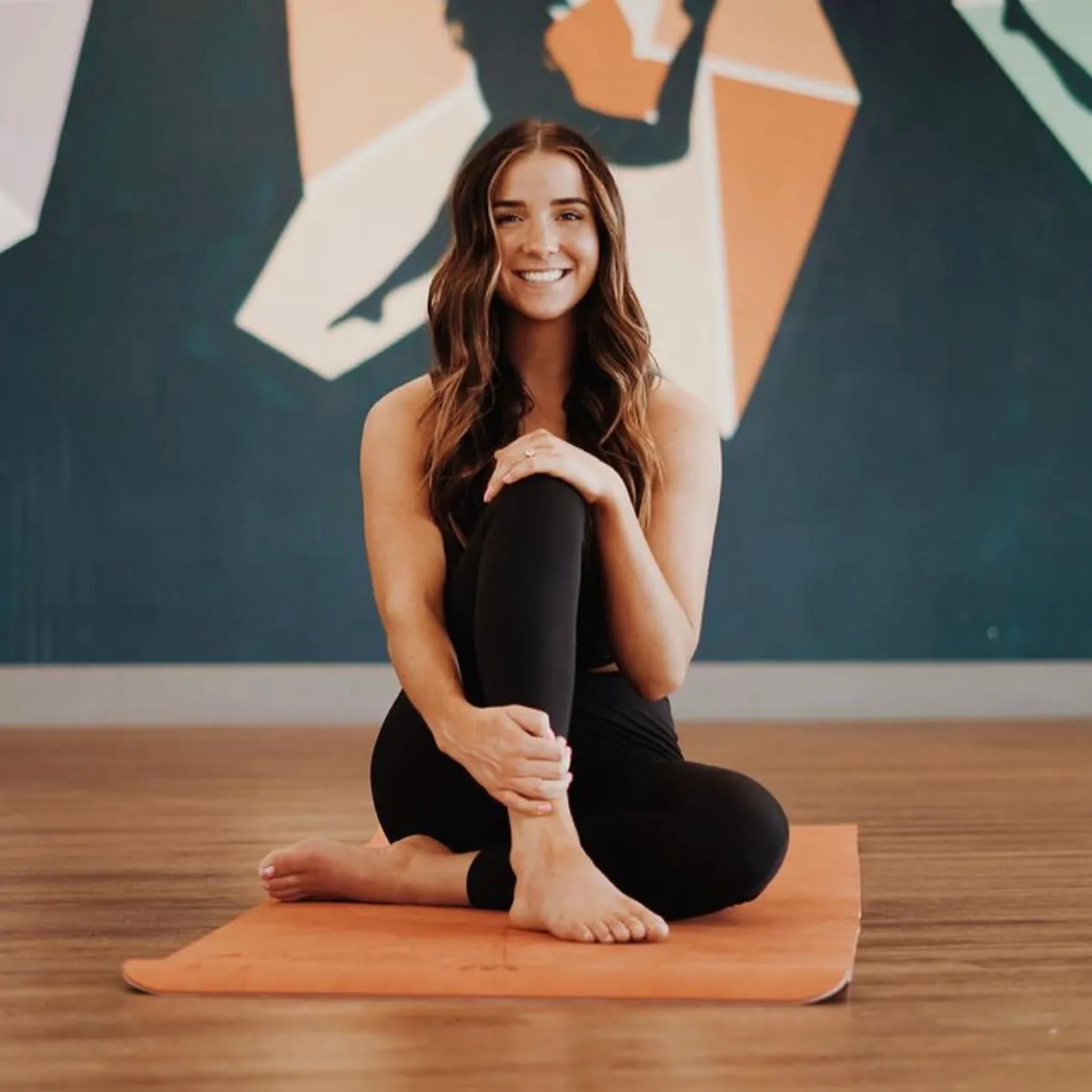
Yoga is not just for meditation; it's an excellent alternative to your typical workout routine. Check out this ultimate at-home workout guide to yoga.
Yoga Made Simple: The Ultimate At-Home Workout for Every Fitness Level
Yoga is not just about "Zen". With the right routine, you can break a sweat, build strength, and improve balance and flexibility with just 30 minutes of practice, three times a week, in the comfort of your own apartment! In this blog we will dive into the many benefits of yoga, types of yoga to achieve your fitness and mental health goals, what you need and how to get started, some basic poses and sequences, and how to stay in the habit. Now, roll out your yoga mat, and let's get in the zone.
The Benefits of Yoga
Whether you're engaging in meditative yoga or breaking a sweat with power yoga, regular practice offers many health benefits, no matter your fitness level or experience. Not only does it provide a space for you to meditate, clear your head, and practice deep breathing and mindfulness, but with regular practice, you can begin to see improved balance and flexibility, better sleep, and improved pain management. For many, regular yoga practice has helped them reduce joint pain, back pain, and headaches. This is because yoga stretches muscles in a way that relaxes them and improves their flexibility, thereby reducing inflammation and increasing pain-relieving endorphins.
Additionally, yoga has been found to boost mood and assist in stress and anxiety management. This is because yoga encourages you to put your worries aside and focus on your breathing and holding poses that your body is not used to holding. The endurance that you undergo while practicing yoga, especially when you cycle through poses and hold them for a few seconds before transitioning to the next pose, will heat up your body and cause you to break a sweat, making yoga an excellent form of strength training and cardio. With several different types of yoga practices to choose from, there's a yoga practice that will suit your individual fitness goals, whether it's increased mindfulness, improved cardiovascular fitness, or strength and flexibility training.
Types of Yoga Practices
When it comes to yoga, there's a style for everyone, no matter your fitness level or health goals. Whether you seek to build strength, enhance flexibility, find mental peace, or relieve chronic pain, the diverse spectrum of yoga practices allows you the freedom to choose what resonates best with your needs. Explore these common types to tailor a routine that complements your personal wellness journey and nourishes both your body and mind.
Hatha Yoga
Hatha Yoga, often considered the foundation of all yoga styles, focuses on basic physical postures and breathing techniques. It's gentle and slow-paced, making it an excellent starting point for beginners looking to build strength and flexibility while cultivating a sense of mindfulness. With its emphasis on alignment and controlled breathing, Hatha Yoga helps practitioners develop a deeper connection between mind and body, paving the way for more advanced practices.
Vinyasa Yoga
Vinyasa Yoga is characterized by its dynamic flow of poses, seamlessly transitioning from one to the next in synchrony with your breath. Each movement is designed to match your inhalations and exhalations, creating a fluid and harmonious sequence. A typical Vinyasa class often involves repeating these sequences, allowing you to build both strength and flexibility while fostering a meditative state.
Ashtanga Yoga
Ashtanga Yoga is a dynamic and physically demanding practice that synchronizes breath with a progressive series of postures—a unique approach that builds heat, strength, and flexibility. Known for its structured sequences, Ashtanga requires dedication and consistency, making it perfect for those who enjoy a rigorous routine. Regularly practicing Ashtanga can significantly enhance your physical endurance and mental clarity, offering a powerful way to connect body and mind. Often combined with Vinyasa Yoga, Ashtanga Yoga is different in that it takes on a more spiritual, meditative approach to yoga, encouraging practitioners to align the spirit with the body.
Power Yoga
Power Yoga is perfect for those looking to sweat and build strength. This dynamic and physically intensive practice focuses on boosting stamina, flexibility, and mental focus through fast-paced sequences and challenging poses. It's an excellent choice if you want to push your limits and enhance your overall fitness, all while enjoying the accessible nature of yoga right at home.
Yin Yoga
Yin Yoga stands out as a more meditative form of yoga, focusing on passive and extended holds that target deeper connective tissues. This practice encourages you to quietly reflect and tune into your inner landscape, allowing for a mindful connection between body and mind. By holding poses for several minutes, Yin Yoga facilitates deeper relaxation and gives you the time to truly listen to your body's subtle cues, offering a calming counterbalance to the fast-paced aspects of daily life. This introspective practice not only enhances flexibility but also serves as a powerful tool for mental clarity and emotional peace.
These are just a few of the many diverse yoga practices available, each offering unique benefits and challenges. While this selection provides a solid foundation for beginners, the world of yoga is vast and continually evolving. Explore different styles to find the ones that resonate with you, and remember that the most important aspect is to strengthen both your body and mind, cultivating a practice that supports your holistic well-being.
What You Need and How to Get Started
All you'll need for a successful yoga session is a yoga mat, comfortable clothes, and a quiet space in your apartment, whether it be a closed-off room or a quiet corner. For added stability as you sweat, you can also use grip gloves and grip socks. When you're first getting started with yoga, it's a good idea to follow beginner yoga video sessions that walk you through each pose step-by-step. These guided sessions can help you build confidence and understanding before transitioning to more traditional videos. If you prefer a more hands-on approach, starting with a class can be highly beneficial. Once you've learned the basics from an instructor, you can easily transition those practices to your home routine.
Basic Poses to Know
Starting with the basics is the best approach when diving into yoga. Familiarizing yourself with a few foundational poses can help you build confidence and ensure you get the most out of your practice. Here, we'll cover some essential poses that are perfect for beginners and can be done right in the comfort of your home.
Mountain Pose (Tadasana): This is a great starting pose that helps improve posture and balance. Stand with your feet together, arms at your sides, and shoulders relaxed. Lengthen through your spine and take deep breaths.
Downward-Facing Dog (Adho Mukha Svanasana): A staple in many yoga practices, this pose stretches the entire body. Start on your hands and knees, then lift your hips upwards to form an upside-down V shape. Keep your knees slightly bent and your heels slightly off the ground if needed.
Child’s Pose (Balasana): Perfect for resting and re-centering, this pose gently stretches the hips, thighs, and ankles. Kneel on the floor, sit back on your heels, and extend your arms forward, bringing your forehead to the ground.
Warrior I (Virabhadrasana I): This powerful pose strengthens the legs, back, and shoulders. Step one foot back and bend your front knee, keeping your back leg straight. Raise your arms overhead and look up.
Cat-Cow Pose (Marjaryasana-Bitilasana): A gentle flow between two poses, this helps to warm up the spine. On your hands and knees, alternate between arching your back (Cow Pose) and rounding it (Cat Pose), coordinating with your breath.
Tree Pose (Vrksasana): Great for improving balance, Tree Pose involves standing on one leg with the other foot pressed against the inner thigh or calf, avoiding the knee. Hands can come together at the chest or extend overhead.
Chair Pose (Utkatasana): This pose strengthens the thighs, calves, and spine. Start in Mountain Pose, bend your knees and lower your knees as if you are sitting back into a chair. Keep your weight in your heels, and raise your arms overhead, keeping your back straight and chest lifted.
Cobra Pose (Bhujangasana): A gentle backend that stretches the chest, shoulders, and abdomen. Lie face down, place your hands under your shoulders, and press into your palms to lift your chest off the ground. Keep your elbows close to your body and gaze forward.
Triangle Pose (Trikonasana): This pose stretches and strengthens the legs, hips, and torso. Stand with your feet wide apart, turn your right foot out, and extend your arms parallel to the floor Reach forward with your right hand and tilt your torso, bringing your right hand to your shin or the floor, while your left arm extends upward. Look up at your left hand. Yoga instructors may ask you to repeat this pose, focusing on the opposite foot and hand.
Mastering these basic poses sets a solid foundation for your yoga practice, allowing you to build strength, flexibility, and balance. Remember, consistency is key, so practice these poses regularly and listen to your body. Embrace the journey, and you'll find that with each session, your mind and body will feel more aligned and revitalized.
Creating a Habit
To maximize the benefits of integrating yoga into your daily life, begin by establishing a routine that includes practicing yoga at least three times per week. This frequency helps reinforce the habit while allowing adequate rest days in between sessions to prevent burnout and injury. Consistency is key—choose specific days and times for your practice to make it a non-negotiable part of your weekly schedule, such as early in the morning as part of your morning routine or during your lunch break when working from home. Adapt the practice to meet your individual needs and goals, and remember that even short, mindful sessions can be highly effective. Over time, you'll not only build physical endurance but also enhance mindfulness and overall well-being.
Embarking on a yoga journey as a beginner can be both exciting and transformative. With the right guidance and a positive mindset, you'll soon discover the myriad of benefits that yoga offers for both the body and mind. From mastering foundational poses like Mountain Pose and Downward-Facing Dog to understanding the types of yoga to target areas you are seeking results, this ultimate guide provides a comprehensive starting point for your practice. Yoga is not just about cultivating mindfulness and inner peace, but improving physical flexibility and strength. With patience and consistency, you'll find yourself growing stronger, more balanced, and more connected with each practice. Namaste.